The Helpful Add-On: Raising Basket Spend in UK Shops Without the Pressure

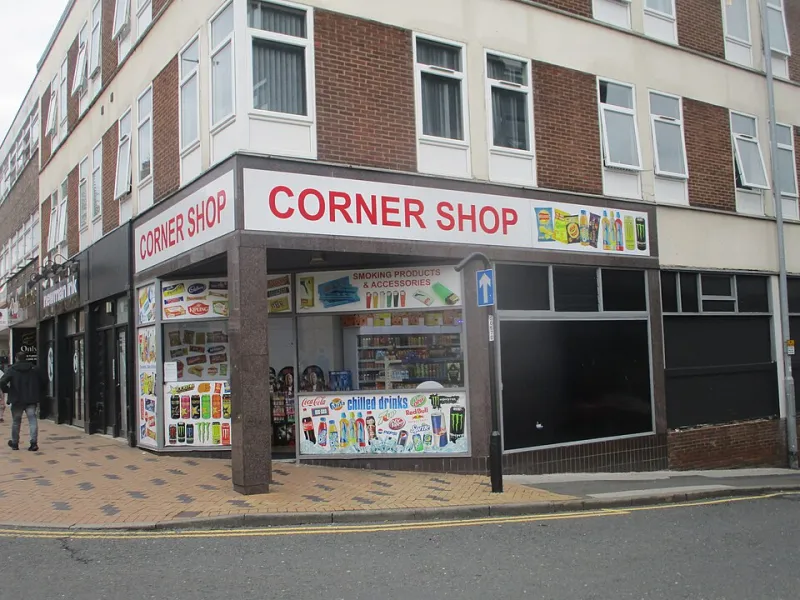
Photo: Robert Linsdell from St. Andrews, Canada, CC BY 2.0, via Wikimedia Commons
At Jayson Kent, the local firms we speak to rarely lose money because they are bad at selling. They lose it because useful extras never get mentioned. Someone buys a coffee and would happily take a pastry. Someone buys a picture hook and needs a nail. Someone books a repair and would appreciate a care kit. The add-on is not about pressure. It is about making the next helpful thing easy to say yes to.
Start with what customers already ask for
Before you change a single shelf, spend a week listening. Keep a cheap notebook by the till and note the questions you hear. Do people ask for batteries, gift wrap, a lid, a bag, a stamp, a fitting, a follow-up product? Do they come back for something you could have mentioned? These are your clues. You are not inventing demand. You are spotting the demand that is already walking past the counter.
Put helpful things where the decision happens
Placement does more work than persuasion. A café might keep pastries visible near the queue but out of the way of the till. A hardware shop might put the right nails beside the picture hooks. A salon might place aftercare products by the mirror where the stylist explains them. A local service might add a simple care plan or reminder card to the booking pack. The test is simple: does the item answer a question the customer is likely to have at that moment? If it does, it belongs there. If it is just clutter, move it.
Timing beats a clever script
The best moment for an add-on is usually after the customer has decided, not while they are still weighing things up. Once they have chosen the coffee, the paint or the appointment, they are more open to a small, relevant suggestion. Ask one question, then accept the answer. A simple example: Would you like a pastry with that? They are warm. If the answer is no, move on with a smile. One ask is helpful. Three asks is annoying.
Give your team words they would actually use
Small teams hate scripts that sound like a call centre. Give them prompts instead. Try: We also have [item] if you need one. Or: Most people take [item] with this. Or: Would you like me to add that? Then let staff use their own words. Ten minutes of role-play is enough. The point is not to memorise lines. It is to make the suggestion normal.
Train the habit, not a hard-sell culture
A short morning huddle works better than a big sales push. Pick one item for the week. Explain why it helps the customer. Ask staff to mention it only when it fits. Never tie bonuses to add-on volume in a small shop; it changes the atmosphere fast. Praise staff for helpful suggestions, not for squeezing extra pounds out of people. Customers can tell the difference, and so can your team.
Measure whether it is worth the effort
You do not need fancy software. Pick a baseline period of two to four weeks and record average transaction value, items per transaction if you have it, and the number of times the add-on is taken. If your till cannot do that, a simple tally sheet is fine. Then change one thing at a time. Try placement for a fortnight, then a staff prompt, then both. Compare like with like. A modest rise of 50p on the average basket can matter over a month, but only if returns and complaints do not rise with it. Watch those too.
Keep the customer on your side
Do not block aisles with display stands. Do not put cheap items at the till just because they are cheap. Do not create fake urgency. Do not push a larger size when the smaller one is right. And do not train staff to ignore a customer who has said no. The best add-on is the one the customer is glad you mentioned. If it feels like a trick, it will cost you more than it earns.
A four-week trial you can run this month
Week one: record your normal numbers and ask staff what customers request. Week two: move one or two useful items into a better spot. Week three: introduce one simple prompt at the right moment. Week four: review the numbers and ask the team how it felt. If the average basket is up and the mood is still friendly, keep it. If not, change the item, the placement or the timing. This is not a forever campaign. It is a small habit you can adjust.
The bottom line
The most effective upsell in a local business rarely sounds like an upsell. It sounds like service. When a customer leaves with the thing they actually needed, your basket rises and your reputation holds. Start with one useful extra, put it where it makes sense, give your team permission to be human, and check the numbers after a month. That is enough.