The Morning You Don't Open: A Short-Notice Closure Plan for UK Shops
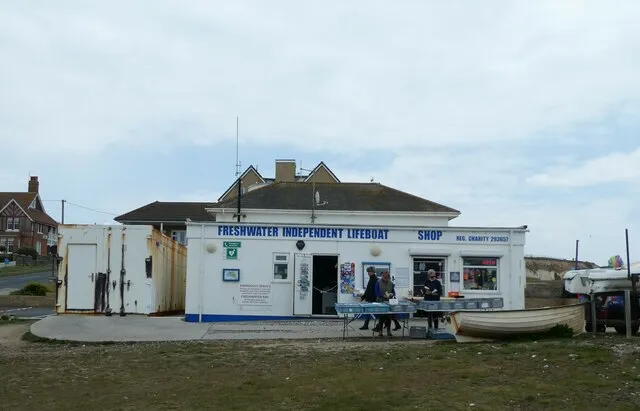
Photo: Basher Eyre , CC BY-SA 2.0, via Wikimedia Commons
There is a particular kind of November morning when you look out of the window, check the forecast, check the group chat, and realise the shop is not going to open on time. Maybe the side street has not been gritted. Maybe the café staff are all stuck on the same hill. Maybe a pipe has given up overnight and there is water where the stock should be.
The temptation is to start ringing round, posting on social media and sticking a note on the door all at once. That usually means the part-time Saturday person hears about it last, three customers turn up for orders you have not called, and the same information gets typed four different ways. A short-notice closure does not need drama. It needs a switch: one page, one decision, one order of communication.
Decide before the weather decides for you
You cannot plan the exact weather. You can plan who makes the call and by when. Pick a named person — usually you, if you are the owner — and a backup. Agree a check time the night before and a firm decision time in the morning. For a shop or café, 6.30am is realistic; for a trade or consultancy with early appointments, make it 6am.
Then agree your triggers. Two or more of these should mean close or delay, not a long debate:
- A Met Office amber or red warning for snow or ice covering your area.
- Local roads are ungritted and staff would be driving or walking on untreated pavements.
- The person with the keys cannot safely get in.
- There is no power, no water, or a leak you cannot contain.
- The premises are unsafe: a slipped roof tile, a flooded back room, a frozen shutter.
Write the plan on one side of A4. Keep a copy by the till, one in the shared drive and one on your phone. It should say who decides, what the triggers are, who tells staff, who tells customers with orders, and who updates the public notices. That is the whole switch.
Tell your team first
Staff should not find out from Facebook that they are not needed. Use the staff WhatsApp group for speed, then ring anyone who was due to open or who does not always see messages. Keep it short and clear.
Morning [name]. We are closing today because of [snow / ice / water in the back room]. Please stay safe and do not travel in. I will confirm tomorrow by [time]. Please do not post publicly until the door notice is up.
That last line matters. It stops three different versions of the same message going out before you have even found the blue-tack.
If you can, give people a clear next step: paid as normal, hours moved, or a message tomorrow. Uncertainty is what makes a snow day feel unfair. A quick answer, even a cautious one, settles the team.
Customers with orders get a direct line
This is the bit most shops forget. Anyone who has paid a deposit, ordered a cake, booked a repair or arranged a collection should hear from you directly. Pull the list from the order book, the till or your diary. Send a text or email with a simple line:
Hello [name]. We are closed today because of [reason]. Your order is safe. We plan to reopen [day/time] and will confirm by [time]. If it is urgent, reply here or call [number]. Sorry for the short notice.
Do not make people guess whether their order is ready. A two-minute round of messages saves a day of apologising at the counter.
The public notices: door, phone, social, Google
Once the team and order customers know, update the outside world. You need four places: the door, the phone message, your social media and your Google Business Profile. Use the same facts each time so you are not rewriting the story.
Door notice:
Closed today, [date], due to [snow / ice / water]. Sorry for the short notice. We plan to reopen [day/time] and will update here and online. For urgent orders, contact [phone/email].
Phone voicemail:
Thanks for calling [shop name]. We are closed today, [date], because of [reason]. We will update this message by [time] tomorrow. If you have an order, please text or email [number/address]. Sorry for the inconvenience.
Social media:
Quick update: we are closed today because of [reason]. The safety of our team and customers comes first. We will post again by [time] tomorrow with reopening plans. Thanks for understanding.
Google Business Profile: mark the shop as temporarily closed for the day, or adjust your hours. If you do not, people will turn up because Google said you were open. A five-minute update there is worth more than a dozen replies later.
Do not let the morning become the week
A closure is one day. A messy reopening can last longer. Before you unlock the door, run a short checklist:
- Is the path safe? Grit it, clear it or put up a clear warning.
- Check water, heating and power. If a pipe has burst, turn the water off, photograph everything, call a plumber and tell your landlord or insurer.
- Check stock and deliveries. Move anything at risk, and tell regular suppliers what is happening.
- Confirm staff can get in safely.
- Update the door, phone, social media and Google listing with the reopening time.
- Contact anyone whose order slipped, with a new collection time.
- Make a note of lost hours, extra costs and any damage. If you need to claim on insurance, photos and dates matter.
Then, when the day is done, review the plan while it is fresh. Did the decision get made quickly? Did anyone get missed? Was the wording clear? Change one thing on the page, print it again, and put it back by the till.
Closing at short notice is not a failure of management. It is management. The weather will do what it does; your job is to make the shop’s response calm, clear and easy to follow. A lost morning is annoying. A lost week of confused customers, unhappy staff and unanswered messages is optional.