Inspection-Ready, Not Inspection-Perfect: A Local Premises Checklist for 2026

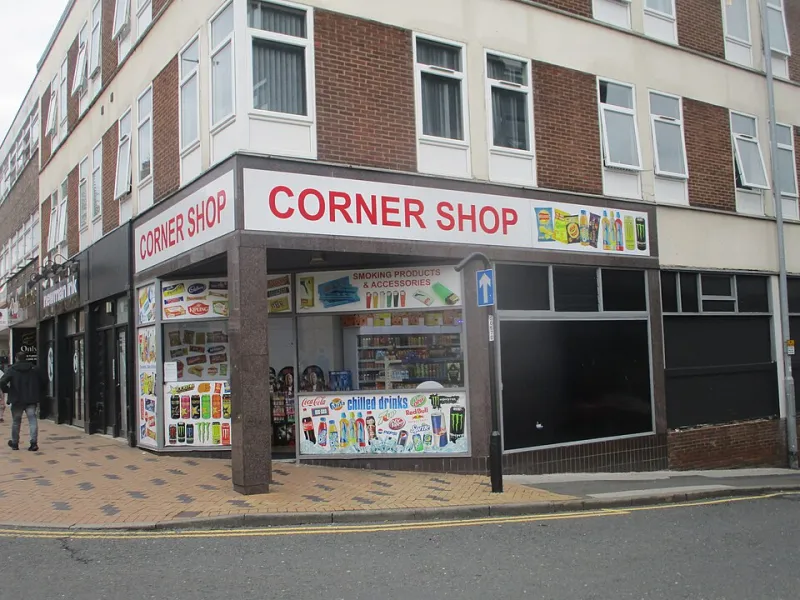
Photo: cowbridgeguide.co.uk, CC BY 3.0, via Wikimedia Commons
November 2026 is a busy month for local firms. Christmas stock is arriving, staff rotas are getting complicated, and the phone keeps ringing. It is also the time of year when routine council visits can land on your doorstep: environmental health, licensing, health and safety, waste or trading standards. None of us wants a surprise inspection. But a visit is not an exam you can revise for the night before. The realistic aim is to be inspection-ready, not inspection-perfect.
If you run a shop, café, takeaway or small trade business, here is a calm way to prepare without turning your week upside down.
Put the paperwork in one place
You do not need a filing cabinet the size of a van. You need one folder, digital or physical, that a sensible member of staff could find in 60 seconds. Keep the current versions at the front and move old versions out. The exact list depends on what you do, but most local premises will need some of the following:
- current premises licence or street trading consent, if you need one
- insurance certificate and employer liability cover
- fire risk assessment and emergency plan
- health and safety policy and risk assessments
- food safety management system if you handle food
- allergen matrix and ingredient information
- staff training and induction records
- gas, electrical and PAT testing certificates where relevant
- waste transfer notes and pest control records
- cleaning schedule, temperature logs and opening and closing checks
Not every item applies to every business. A hair salon is not a café. A joinery workshop is not a corner shop. But the principle is the same: if you can put your hand on it quickly, you look organised. If you cannot, the inspector will keep asking.
Name one person who owns the folder. Not the whole team, not nobody. One person. They check dates once a month and chase anything missing.
The small things that get flagged
Inspectors are not usually looking for a reason to shut you down. They are looking for risks that are obvious, repeated or unmanaged. The same small issues come up again and again in local premises.
Blocked fire exits are a classic. So are extension leads plugged into extension leads, boxes stacked in front of extinguishers, and back doors that only open halfway. Allergen information that exists in a folder but not in the head of the person serving is another common flag. Cleaning schedules that have been filled in all at once on a quiet Sunday do not convince anyone. Temperature logs with gaps raise questions. Staff who cannot say who the first aider is or where the paperwork lives make the whole operation look less controlled than it probably is.
Outside, look at waste. Is it building up in the yard? Do you have paperwork for the person who takes it away? Inside, check extractor filters, handwash supplies and where you store mops and chemicals. Training records that stop at induction are also worth a look.
None of this requires a big spend. It requires a walk-round with fresh eyes.
Ask better questions on the day
When the inspector arrives, be pleasant and be curious. Ask what has prompted the visit and who they would like to speak to. Ask what they would like to see first. Take notes. If you do not know something, say you will check and come back by a named date. Do not guess.
Useful questions include: is this a legal requirement or good practice? If something needs fixing, what timescale is reasonable? Can you send that in writing? Could I have your business card and a copy of the report?
That last part matters. A calm conversation is good. A clear record is better. If you disagree with something, say so politely and ask for the reasoning. There is a difference between being defensive and being organised.
A 45-minute monthly habit
Once a month, walk the premises with a clipboard or a note on your phone. Check exits, extinguishers, first aid, alarms, fridge temperatures, labels, cleaning, pest control and paperwork dates. Write down what you find, even if it is boring. Boring records are convincing records.
After any visit, diary a 30-minute review. Fix the small things first. Brief the staff. Update the folder. Then get back to running the business.
A council inspector is not your enemy. They are doing a routine job, and you are doing yours. A tidy folder, a safe premises and a few sensible questions will make the day feel far less dramatic than the letter suggested.