Before the Next Local Launch: How to Choose a Loyalty Scheme That Earns Its Keep
November is the season for two things in independent retail: Christmas planning and loyalty scheme pitches. Someone from the town centre partnership wants you at a launch meeting. An app company has emailed a glossy deck with a monthly fee buried on page nine. And a customer has just asked why you do not stamp cards like the café two doors down.
Loyalty is not the problem. Most local businesses survive on regulars. The question is whether a particular scheme earns its keep, or just adds another screen, sticker and direct debit to your week. Here is a plain-speaking way to weigh up the three main options before you commit to the next local launch.
Start at the counter, not in the brochure
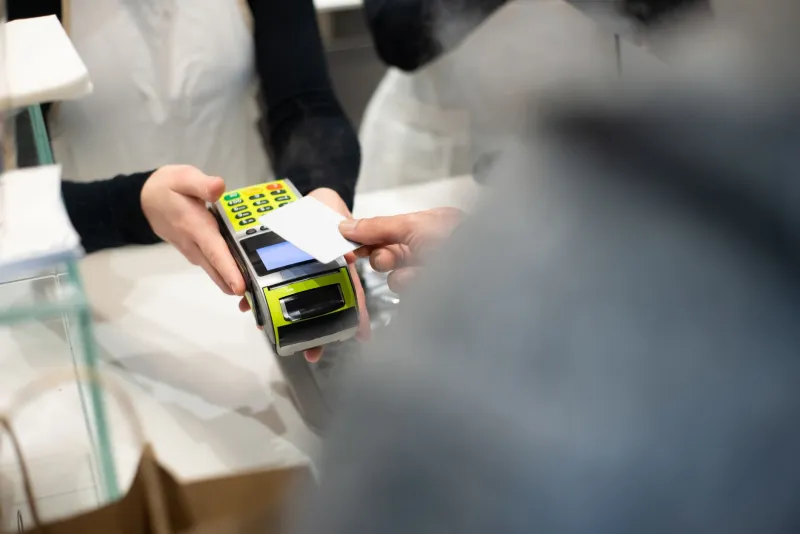
A loyalty scheme can look lovely on a supplier's website and feel awful at 8:42am when there is a queue, the card reader is updating and someone is holding up a phone with a QR code that will not scan.
So begin with the practical bit. Who will run this at the till? How many seconds does it add to a transaction? Does your till system talk to it, or will staff be typing codes into a separate tablet? If the answer involves a second device, a login and a training session in December, be cautious.
The best scheme for a small shop is usually the one your team can operate on a busy Saturday without thinking. That sounds unambitious. It is also how loyalty schemes survive past February.
The town-wide card: useful footfall, shared data
A town scheme, often run by a business improvement district, chamber or council partnership, has obvious appeal. Everyone promotes the same card. Customers collect points across the high street. You get listed alongside other independents and perhaps some seasonal marketing you would not afford on your own.
That can be genuinely useful, especially if your town already has a strong collective identity. A shared card can nudge people to try a shop they walk past every day. It can also make a small business look part of something bigger.
But read the detail. What is the annual membership fee? Is there a levy based on turnover? Do you have to honour discounts in busy periods? Who owns the customer data, and will you ever see it? Many town schemes give you aggregate footfall figures rather than names and email addresses. That may be fine if your goal is awareness. It is less fine if you wanted a list of people to invite to a January sale.
Also ask what happens if the scheme changes hands or loses funding. Town partnerships are not forever. You do not want your only loyalty mechanic to disappear with a grant cycle.
The app: powerful, hungry and easy to overbuy
App-based loyalty programmes can do clever things. Push notifications, digital stamps, birthday offers, spend tracking, automatic reminders. For a café with a young, phone-first customer base, that can work well.
It also comes with a appetite. There is usually a monthly fee, sometimes a setup fee, often a per-transaction charge. Customers may need to download an app, create an account and remember a password. Some will. Many will not. Older regulars, in particular, may quietly stop bothering rather than admit they cannot work it.
Before you sign, ask what you actually get for the money. Can you export your customer list? Can you send an offer without paying the provider extra? Does it integrate with your till, or does it sit in a separate world? What happens to your data if you leave?
An app can be a good fit for a business with high transaction numbers and a team comfortable with tech. For a five-table café or a hardware shop with a mixed-age customer base, a simpler option often wins.
The stamp card: cheap, simple, slightly leaky
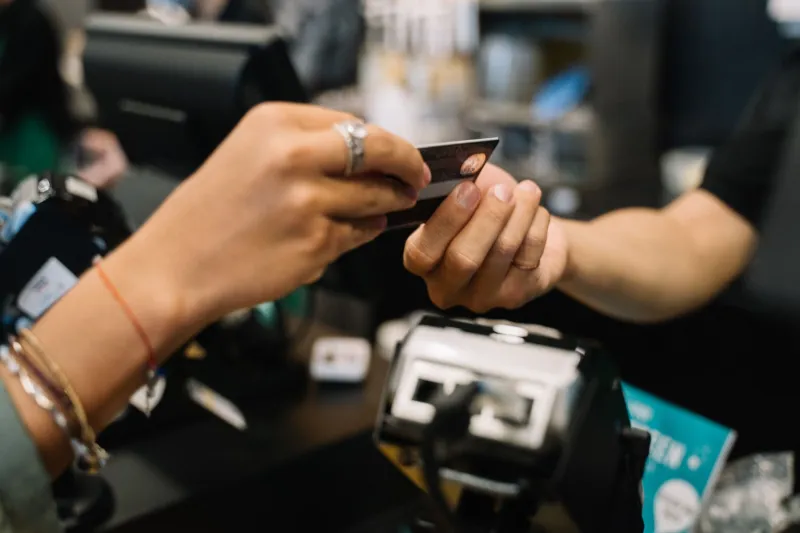
A paper stamp card is not fashionable. It is also hard to beat on cost and staff friction. Buy a hundred cards, buy a stamp, decide on the reward. A customer gets a card, you stamp it, they come back. Done.
It works best when the reward is clear and achievable: a free coffee after nine, a tenner off after five visits, a free repair after three services. Keep the threshold low enough that people see the finish line.
Yes, cards get lost. Yes, someone will eventually present a card with eleven stamps and a hopeful expression. Yes, there is a tiny bit of fraud. These are minor costs compared with a monthly software fee you forget to cancel.
Digital stamp cards can solve the lost-card problem without the full app experience. Many card readers and booking systems offer a simple version. That can be the sensible middle path: familiar behaviour, slightly better record-keeping, no big download.
The numbers that actually matter
The supplier will talk about sign-ups and engagement. You need to know whether the scheme brings people back and whether those visits are profitable.
A simple test: pick one quiet weekday and run the scheme for a quarter. Count redemptions, not registrations. Note the average spend of members versus non-members. Ask staff how often the till gets held up. Add up the fee, the printing, the extra till time and any discount you give away.
If a scheme costs you £600 a year in fees and staff time, it needs to generate more than £600 of margin you would not otherwise have made. That is not an impossible bar, but it is a real one. A loyalty scheme is a marketing cost, not a magic wand.
Five questions before you join the next local launch
- What problem am I trying to solve? More visits from existing customers, more trial from new ones, or better customer data? Be specific.
- What is the true annual cost, including fees, hardware, printing, training and till time?
- Who owns the customer data, and what can I actually do with it?
- What does the customer have to do at the counter, and can my busiest member of staff manage it without a fuss?
- What is the exit plan? Is there a minimum term, and can I take my data with me?
If you cannot answer those five before the launch meeting, you are not ready to sign. Ask for the answers in writing. A good scheme will provide them. A poor one will talk about energy instead.
A sensible starting point
You do not have to choose the most sophisticated option. For many independent shops and cafés, a simple stamp card with a clear reward is enough to thank regulars and encourage another visit. If your town scheme is well run and reasonably priced, join it for a trial period and measure the result. Consider an app only if you have a specific use for the data and the staff capacity to run it.
Loyalty should feel like a thank you, not another tax on being local. Choose the scheme that suits your counter, your customers and your margins. Then get back to the Christmas window display.