The Payment Hiccup Kit: A Calm Backup Plan for UK Shopkeepers
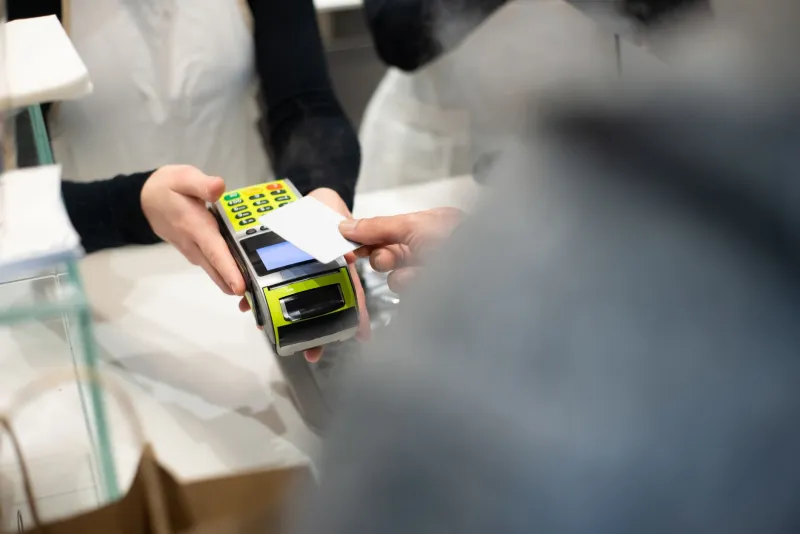
It is 11:58 on a busy Saturday. The queue is three deep, someone is asking about gift wrap, and the card machine blinks, beeps, and gives up. The little green tick does not come. You have a shop full of people, a till that suddenly feels very old-fashioned, and about ten seconds to decide what happens next.
The good news is that this is not a rare crisis. Terminals drop out, broadband wobbles, bank apps have bad mornings, and payment providers occasionally decide that now is the perfect time for maintenance. The bad news is that most shops meet this moment by improvising. And improvising at the counter, in front of customers, is how a two-minute glitch becomes a lost day of takings and a few one-star reviews.
What you need is not a technical manual. You need a one-page payment hiccup kit: clear roles, clear words, and a simple paper trail. Here is how to build one before the next busy Saturday.
First, take the panic out of the room
When the terminal fails, customers usually look at you, then at their phone, then at the door. They are not angry yet. They are waiting for a signal. If you look flustered, they assume the worst. If you look like this is a known thing with a known answer, most will stay calm with you.
So start with a simple statement, said loudly enough for the queue to hear: ‘The card machine is having a moment. We can take cash, or I can hold your items while we sort it. Give us two minutes.’ That does three jobs. It names the problem, offers a route forward, and sets a time limit. It also stops the person at the back from assuming the shop is closing.
Train everyone who works the counter to say the same thing. Not a robot script, just the same facts in their own words. Consistency is reassuring. A team that all says something different sounds like a team that does not know what is happening.
Build the one-page kit
Keep this short enough to actually use. One side of A4, printed, in a plastic sleeve, kept with the till and photographed on the shop phone. It should cover five things:
- Who checks the terminal and the broadband first.
- Where the cash float is and who can access it.
- What to say to customers.
- Where the manual payment record lives.
- Who contacts the payment provider or bank, and on what number.
That is it. No policy essays. No blame. Just the next five actions.
The cash float that actually works
A cash float is not a fortune. It is enough to keep normal small transactions moving while you fix the card problem. For many independent shops, £100 to £150 in mixed notes and coins is a sensible starting point, depending on your average transaction. If your average sale is £8, that is plenty. If you sell furniture, cash will not save the day, and your plan should lean more on holding items and taking deposits later.
Check the float weekly, not just at Christmas. Keep it in the same place, count it at close, and make sure at least two people know where it is. A float that only the owner can find is not a contingency plan. It is a treasure hunt.
Also decide your cash limit in advance. If someone wants to pay £400 in cash for a laptop, you need a policy before you are standing there with a queue behind them. Many shops set a sensible cap and offer to hold the item instead.
What to say at the counter
Here is a short script you can adapt. Keep it friendly and specific.
‘Our card machine has dropped out. I am sorry about that. We can take cash, or I can put your items aside for an hour while it comes back. If you would rather come back later, I can write you a note with the total.’
If the customer has no cash: ‘No problem. I can hold these until 3pm and text you when the machine is back. Would you like me to do that?’
If they are in a hurry: ‘I understand. There is a cashpoint two doors down, or I can take your number and call you when we are back online.’
Notice what the script does not do. It does not over-explain the technical reason. It does not blame the bank, the broadband, or the weather. It does not promise something you cannot deliver. It just gives the customer a choice.
Signage that helps, not hinders
A small handwritten sign can be brilliant or terrible. Terrible is a scrawled ‘NO CARD’ taped to the till with no context. Brilliant is a clean A5 card that says: ‘Card payments temporarily unavailable. Cash accepted. We can hold items for you. Sorry for the inconvenience.’
Keep a blank sign and a marker with your kit. Write the time on it if the outage drags on. If you have a social media account, post the same message once. Do not flood the feed. One clear update is enough.
Manual record keeping without a ledger degree
If you take cash or write down card details, you need a record. For cash, use your normal till procedure if possible. If the till is down too, use a simple duplicate pad: date, time, items, total, payment method, staff initials. Keep the carbon copy with the cash and the top copy with the daily paperwork.
For card payments, do not write down full card numbers. Ever. If you use a manual card imprinter or a phone authorisation line, follow your provider’s instructions exactly. Most small shops should avoid manual card handling unless the provider has trained them. Holding an item and taking payment later is usually safer and simpler.
If it is broadband or the bank app
Sometimes the terminal is fine and the internet is not. Check the obvious things first: is the router on, is the cable in, has the phone got data? If your terminal can run on a mobile hotspot, use it. If not, switch to cash and holding items.
If the bank app is down, do not stand there refreshing it in front of customers. Give it two minutes, then move to the backup plan. The queue does not care about your app. It cares about being served.
After the rush
Once the queue is gone, write down what happened. Time, duration, cause if known, how many sales you held, how many were lost. Ring the provider if needed. Update the kit if something was missing. Then tell the team what worked.
A payment glitch is not a sign that your shop is badly run. It is a sign that you rely on technology, like everyone else. The difference is whether you have a calm, one-page answer ready when the little green tick does not come. Build the kit this week, before the 2026 festive run-in gets busy, and the next 11:58 emergency will feel a lot less like an emergency.