The Cold-Fingers Countdown: A First Christmas Market Plan for UK Makers and Shops
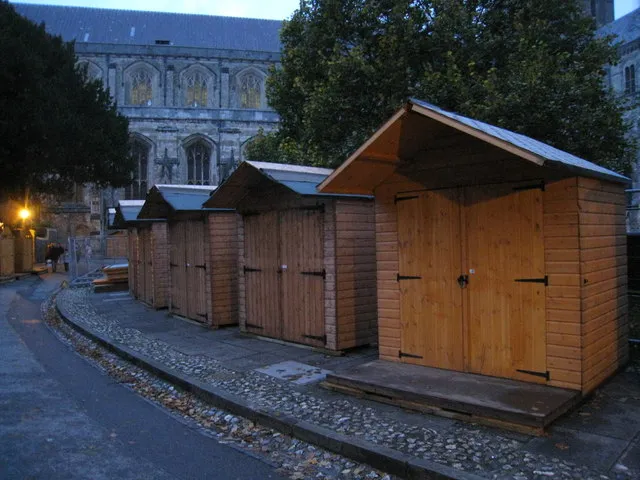
Photo: Sebastian Ballard, CC BY-SA 2.0, via Wikimedia Commons
Taking a stall at a Christmas market feels like opening a second shop for a day. Except the walls are canvas, the floor is tarmac, the heating is a flask, and your neighbour is selling candles that smell like a pine forest. It can be brilliant. It can also be a long, cold lesson in packing light and pricing clearly. With many UK markets filling their pitches for 2026, this is the point to get organised rather than simply excited.
Start with the boring bits: permission and pitch
Before you think about bunting, check what you have actually signed up for. Most organisers will ask for public liability insurance, and some will want a risk assessment, a trader licence or food hygiene paperwork if you are selling anything edible. Ask what is included in the pitch: a table, a gazebo, chairs, power, lighting, weights? Do not assume. A pitch that is two metres wide sounds generous until you unpack.
Also ask about vehicle access, set-up times, parking, waste disposal and what happens if the weather turns. A quick email now is far better than an argument in the rain at 7am. If you are selling food or drink, check allergen information and local environmental health requirements. If you are selling handmade goods, make sure product safety and labelling are sorted. It is not glamorous, but it is the difference between a market day and a marketplace headache.
Stock: enough to sell, not enough to sink you
First-timers usually bring either far too much or far too little. Aim for a sensible middle. Think about footfall, the price point of your bestsellers and how much you can realistically carry, display and pack away. Bring your strongest products, not your entire workshop. A tight, well-edited table looks more confident than a jumble sale.
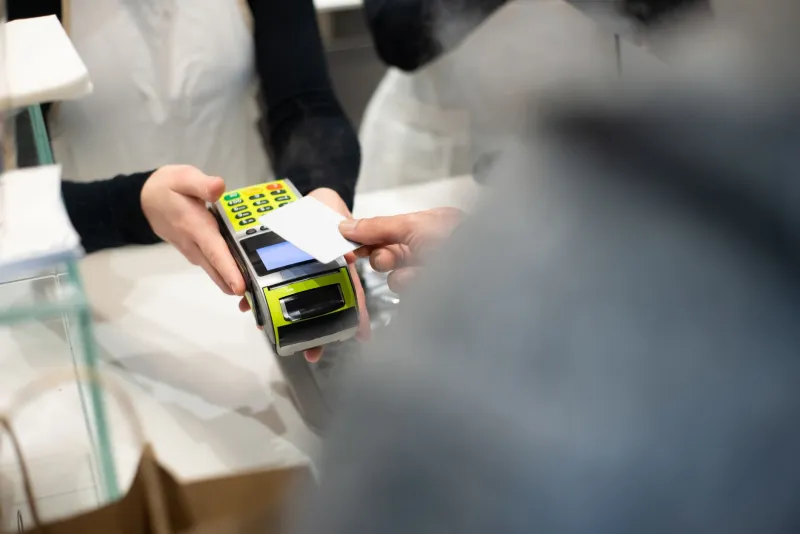
Have a backup box under the table with replenishments, bags, tissue paper and spare price labels. Keep prices visible. If you offer bundles or a small discount for spending more, put it on a simple sign rather than explaining it forty times. And test your card reader before the event. Charge it, update the app, check the signal on your phone and bring a backup payment method. A cash float of £50 to £80 in small notes and coins is useful, kept in a secure pouch. Not everyone carries cash now, but enough people still do.
Weatherproofing is not optional
UK December markets are a masterclass in horizontal rain. Gazebo weights are essential, not a nice extra. Use them. Add guy ropes if the organiser allows, and avoid loose signage that turns into a sail. A tablecloth with clips, lidded boxes for stock and waterproof covers for anything paper-based will save you a lot of misery. Battery fairy lights are safer and easier than candles. Keep your display at eye level where possible, with one clear sign explaining what you sell and what makes it useful.
Look after yourself too. Warm layers, waterproof shoes, fingerless gloves or touchscreen gloves, a flask and a snack that is not solely mince pies. You will be standing for longer than you think. A small folding stool is worth its weight in gold during quiet moments.
Staffing and the human bit
Two people make a first market much easier. One can handle payments while the other talks to customers, and you can take breaks without leaving the stall unattended. Brief your helper on prices, card reader quirks, where the stock is and how to use the takings log. If you are on your own, ask a friend to cover a lunch break or keep things simple enough to manage solo.
Be a good neighbour. Say hello to the stall next door, keep your patch tidy and do not block walkways. If you are taking orders or email sign-ups, be clear about what people are agreeing to. A simple sign saying 'Join our mailing list for occasional updates' is better than a clipboard with no explanation. Data protection is not the most festive topic, but consent matters.
The final countdown
Four weeks out, confirm your booking, insurance and pitch details. Check your card reader and order any stock materials you need. Two weeks out, make your stock, price everything, print signs and pack a kit box. Week of the event, charge devices, prepare the cash float, print your takings log and arrange help. The night before, load the car, check directions and set two alarms.
On the morning, arrive early. Secure the gazebo first, then set up the table, test payments and log your opening float. During the day, note what sells and restock in quiet moments. At the end, count the cash, reconcile card totals and pack up calmly. Thank the organiser on your way out. It is a small thing, but it gets remembered.
A takings log that takes two minutes
Keep it simple. Use a notebook with columns for time, item, price, cash or card, running total and notes. Or use a tally sheet if that is faster. At the end, add up cash and card takings, subtract your float and any expenses, and keep receipts. This is not just about curiosity. It helps you decide whether to do another market, what to make more of and what to leave at home next time. It also keeps your records tidy for tax purposes.
You do not need a perfect stall. You need enough stock, a working card reader, weights on the gazebo and a way to know what you took. The rest is conversation, cold fingers and the occasional mince pie. Good luck, and pack the extra socks.