Before They Push the Door: A Shopfront MOT for Independent Shops This Autumn
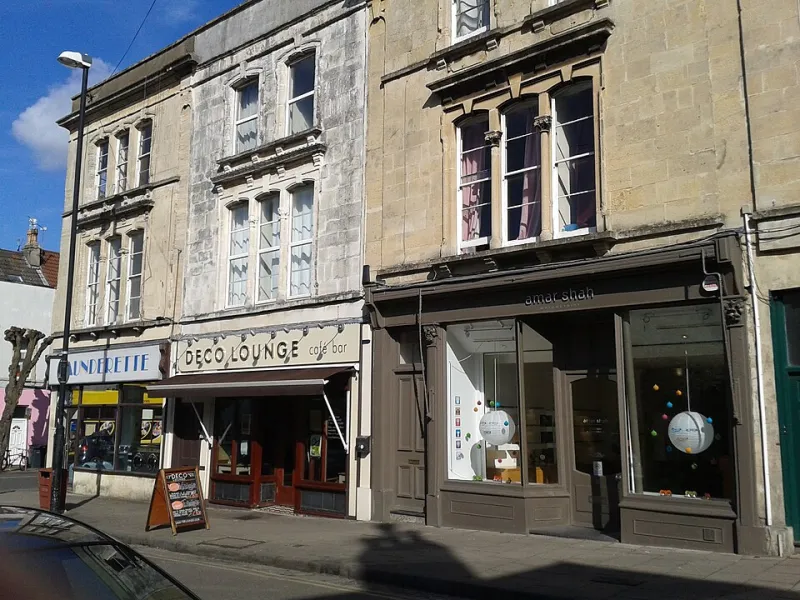
Photo: Virginia Knight , CC BY-SA 2.0, via Wikimedia Commons
The first three seconds are not about you
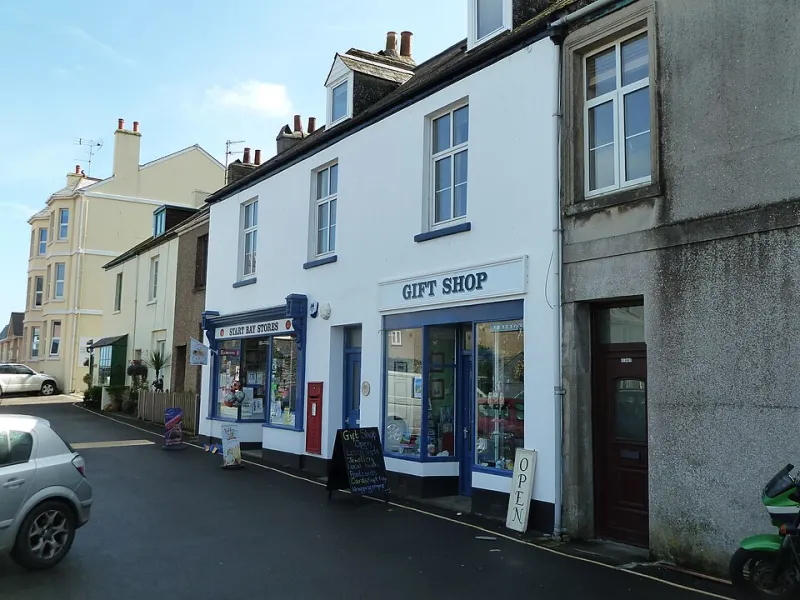
Most shop owners look at their shopfront from inside, behind the till, through a window covered in their own posters. Passing trade see something else: a reflection, a half-open door, a sandwich board, a queue. They make a judgement before they read a single word. This autumn, with Christmas close enough to matter and budgets tight, a 15-minute window check is one of the cheapest bits of marketing you can do.
It is not a refit. It is an edit. Set a timer, stand on the pavement, and look at your shop the way a stranger would.
The 15-minute test
Do this once, properly. Take a notebook or use your phone. Start across the street, then work your way to the door.
Minutes 1–3: from across the street. Can you tell what the shop sells? Can you see the name? Is the window bright enough, or is it a dark rectangle? Is there anything that looks like a hazard or a mess? You are not looking for perfection. You are looking for a clear, inviting signal.
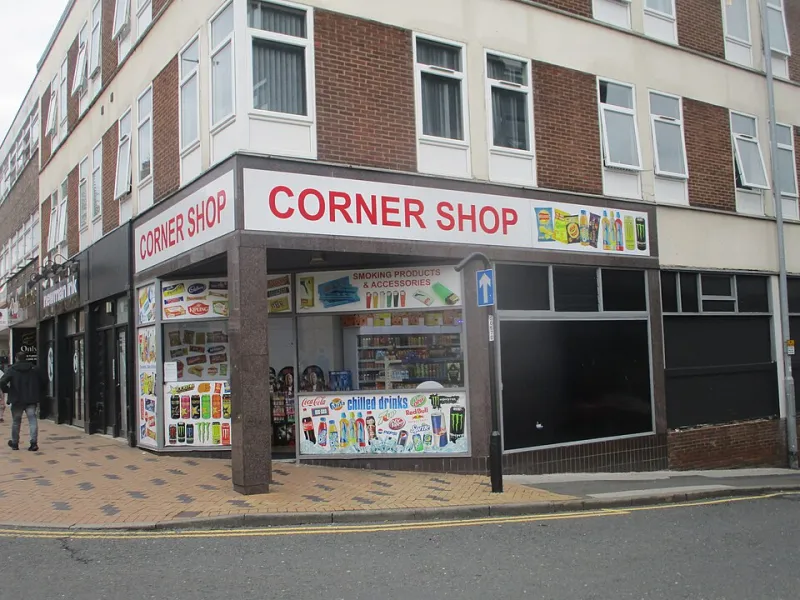
Minutes 3–6: at the window. Step close. What is the first thing your eye lands on? Is there a story, or just a pile of products? Is the glass clean? Are the posters current? A window with eight messages is the same as a window with none.
Minutes 6–9: the doorway. Can you get in easily? Is the door handle obvious? Is there a step, a puddle, a bin, or a delivery crate in the way? Does the door say ‘push’ when it should say ‘pull’? Small friction puts people off, especially older customers and parents with buggies.
Minutes 9–12: signage and lighting. Is your sign legible from the pavement? Does it say what you do, not just who you are? Are the lights on? In late 2026, with energy costs still on everyone’s mind, it is tempting to keep lights off. But a gloomy frontage tells passing trade you might be closed. Use the minimum that makes the window legible, and switch to timers if you keep forgetting.
Minutes 12–15: the noticeboard and seasonal display. This is where independent shops often lose the plot. A community noticeboard is a good thing, but not when it covers the window. A Christmas display is lovely, but not when it hides the till. Keep the noticeboard to one tidy panel near the door. Keep the seasonal display low enough to see over, or high enough to see under.
Windows: less clutter, more story
A good shop window is not a storage unit. It is a headline. Pick one idea for the week: a new range, a service you want to push, a price point, or a seasonal theme. Build the display around that. Leave space. Space makes the remaining products look deliberate.
If you sell services rather than products, your window still needs a story. A hairdresser can show a simple ‘walk-ins welcome before 11’ sign. A café can show the soup of the day and a clear price. A repair shop can show a ‘while you wait’ example. The point is to answer the question passing trade are already asking: what happens if I come in?
Signage and lighting: the quiet salespeople
Your sign should work at a glance. If you have a hanging sign, check it from both directions. If you have vinyl lettering, check for peeling corners. If your opening hours are on the door, make sure they match what Google says. Inconsistent hours are a silent footfall killer.
Lighting does not need to be expensive. Warm, even light near the window and a clear light at the door is usually enough. Avoid glaring spotlights that make the window look like a stage. You want people to see in, not squint.
The noticeboard edit
Noticeboards are part of local life. They are also a hiding place for old flyers. Do a ruthless edit: remove anything with a date that has passed, anything curling at the edges, and anything that covers more than a third of the glass. Keep one panel for community notices and one clear area for your own message. If you have a ‘back in five minutes’ sign, make sure it is not permanently on display.
Seasonal displays for late 2026
By November, the Christmas run-up is already in view. Resist the urge to fill every inch. A small, well-lit display with one repeated colour and a clear price point will beat a crowded window every time. If you are decorating, keep the bottom 30cm of the window clear so children and wheelchair users can see in. Avoid anything that blocks the doorway or creates a trip hazard on the pavement.
If you are a café or food shop, remember that condensation is part of your window. Wipe the glass in the morning and use a squeegee during the day. A fogged-up window says ‘busy’, but a dirty one says ‘tired’.
Your simple checklist
Before you unlock tomorrow, run through this:
- Can I tell what the shop sells from across the street?
- Is the window clean, lit, and free of old posters?
- Is there one clear message, not five?
- Is the doorway clear and easy to open?
- Is the sign legible and consistent with my online hours?
- Does the noticeboard have current information only?
- Is the seasonal display low enough or high enough to see past?
- Is the pavement outside clean and safe?
If you can tick most of those, you are ahead of plenty of high street shops. None of it requires a contractor. It requires 15 minutes and an honest pair of eyes.
Do it before the weekend
Pick a dry morning this week. Stand outside your shop for 15 minutes and make a short list: fix, clean, remove, replace. Do the cheap fixes first. A clean window, a working light, and one clear message will do more for footfall than a new fascia board. Passing trade are already looking. Give them a reason to push the door.