The Room You Already Own: Hosting a Small Evening in a Shop That Still Has to Trade Tomorrow
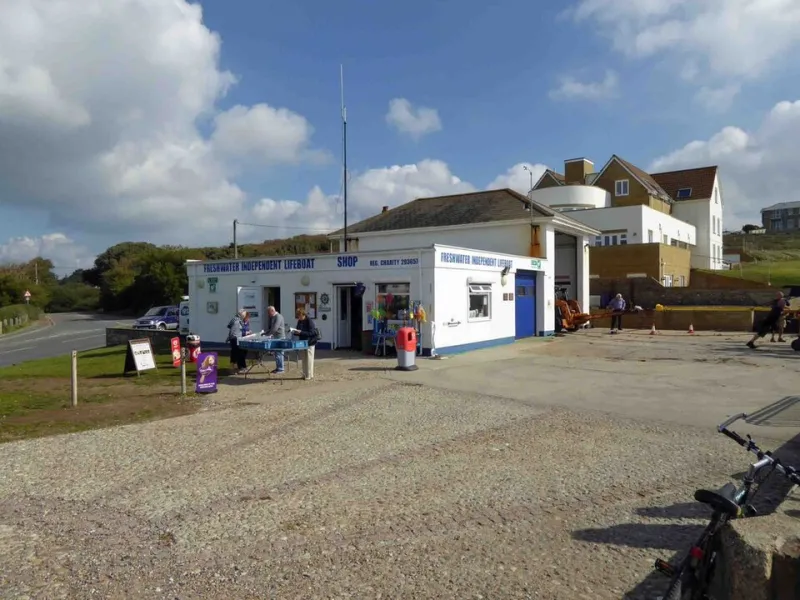
Photo: Steve Fareham , CC BY-SA 2.0, via Wikimedia Commons
There is a moment, usually on a quiet Tuesday, when you look round your own shop and think: this would make a lovely room for an evening. A few chairs, a speaker, maybe a pot of tea. Then you look at the rails, the till, the stack of delivery boxes by the back door and remember that tomorrow at nine you have to open as normal.
The good news is that you do not need a dedicated event space. You need a plan that treats the event as a short, controlled change of use — not a second business. Here is how to do it without borrowing trouble along with the chairs.
Start with the floor, not the fantasy
Before you print a single ticket, measure the room. Not the whole shop — the bit you can realistically clear. A comfortable seated audience needs roughly one square metre per person once chairs and breathing space are counted, and you want at least a metre of clear aisle to the door and the loos. If your local fire risk assessment says keep the exit route clear, that means clear on event night too, not just during trading hours.
Try a layout with actual chairs before you advertise. An island arrangement — chairs around a couple of small tables, with a walkway behind — usually works better in a shop than rows, because it keeps sightlines to the door and stops people feeling trapped behind a display unit. Move fixtures rather than removing them if you can. A bookcase rolled forward to make a natural screen is easier to put back than a dismantled shelving bay.
Do the maths on capacity honestly. Twelve people in a small shop feels busy and sociable. Twenty feels like a crush, and someone will knock over the candle display. Pick the number you can seat, exit and serve without stress, then knock two off it.
The borrowed chair problem
Borrowing chairs is fine; borrowing chaos is not. Ask neighbouring businesses or a local hall what they have, collect them the day before, and count them before you promise seats. Stacking chairs need somewhere to live during the event, so decide that spot in advance. If you are using your own café tables, check they are stable on the floor and that nobody is sitting with their back to a step.
Have a plan for coats and bags. A coat rack near the door, or a clear plastic crate per table, saves the scramble that otherwise ends with someone’s wet umbrella on your stock. And keep a couple of spare chairs folded by the wall — not for latecomers, but for the person who arrives with a friend.
Insurance, licensing and the boring bits that actually matter
Ring your insurer before you advertise, not after. Most retail and café policies include public liability, but they may exclude organised events or ask you to notify them. A five-minute call beats an awkward claim later. If you are using volunteers, check they are covered too.
If you plan to sell or give away alcohol, you need to understand your premises licence or apply for a temporary event notice through your council. The same goes for amplified music in some cases — the licensing team will tell you plainly what applies. If you are playing background music from a speaker, check whether your PRS for Music or PPL licence covers it. For most small spoken-word evenings, a quiet playlist and no alcohol keeps things simple.
Food is its own small universe. If you are handing out biscuits with tea, that is one thing; if you are preparing and serving meals, it is another. Keep it simple, label allergens, and do not let anyone serve food without a quick read of your food hygiene arrangements. Write a one-page risk assessment: exits, first aid, fire extinguishers, who is on the door, what happens if someone is taken ill. It takes twenty minutes and makes the evening feel far less improvised.
Ticketing without a box office
You do not need a ticketing platform with a dashboard. A simple online booking page, a paper list by the till, or a local box office service will do. The important part is the policy, not the software.
Take a small deposit if you are worried about no-shows, and say clearly what happens if someone cannot come. A fair line is: transferable to another person, or to a future event with 48 hours’ notice, but not refundable after that. Keep a waiting list. If your event is free, ask people to book anyway — a name on a list is a better predictor of turnout than a thumbs-up on social media.
Overbook only if you can genuinely seat the extras. A ten per cent buffer is common for free events, but it only works if you have ten per cent more chairs and floor space. Send a confirmation with the arrival time, the door you will use and a note that the shop will be closed to normal browsing during the event. That single sentence prevents a lot of confused wandering.
Promote it without losing Thursday trading
Do not turn your busiest trading day into a leafleting operation. Use the quiet hours — early morning, the dead hour after lunch — for promotion. Your email list and existing customers are the best audience because they already know where you are and what you sell.
Local Facebook groups, a notice in the window and a word with neighbouring businesses will do more than a paid advert for a twelve-person event. Be specific about what it is and who it is for. ‘A book club for people who have not finished the book’ is a better invitation than ‘community evening’. Put the date and time on the shop door alongside your normal hours, so nobody thinks you have closed early by accident.
The run sheet that saves your evening
Set up after closing, or early in the morning before you open. Give yourself two hours, not twenty minutes. Cash up the till and put the day’s paperwork away before the first guest arrives. Put a clear sign on the door saying the shop is closed for a private event if that is the case. Nominate one person to welcome people and one to keep an eye on the door. Have a finishing time and stick to it — the last thing you want is a debate about stacking chairs at half past ten.
Then do it once, and decide afterwards whether it was worth repeating. A small evening in your own shop can be a genuinely good thing: it brings people through the door, gives your regulars a reason to stay longer and makes the place feel less like a transaction. Just remember that the shop has to trade tomorrow. Keep the event small enough that it does not borrow the whole room.